DIY Tips for Stunning Event Lighting: Transform Your Venue
Understanding the Basics of Event Lighting
Lighting is a critical element in event planning that can dramatically transform the ambiance of any venue. Whether you're planning a wedding, corporate event, or a casual gathering, the right lighting can set the mood and create a memorable experience for your guests. Before diving into DIY lighting, it's essential to understand the basic types of lighting: ambient, task, and accent.
Ambient lighting provides overall illumination, while task lighting focuses on specific areas like stages or tables. Accent lighting, on the other hand, highlights particular features, adding depth and interest to the venue. Recognizing these lighting types will help you plan effectively.
Choosing the Right Lighting Equipment
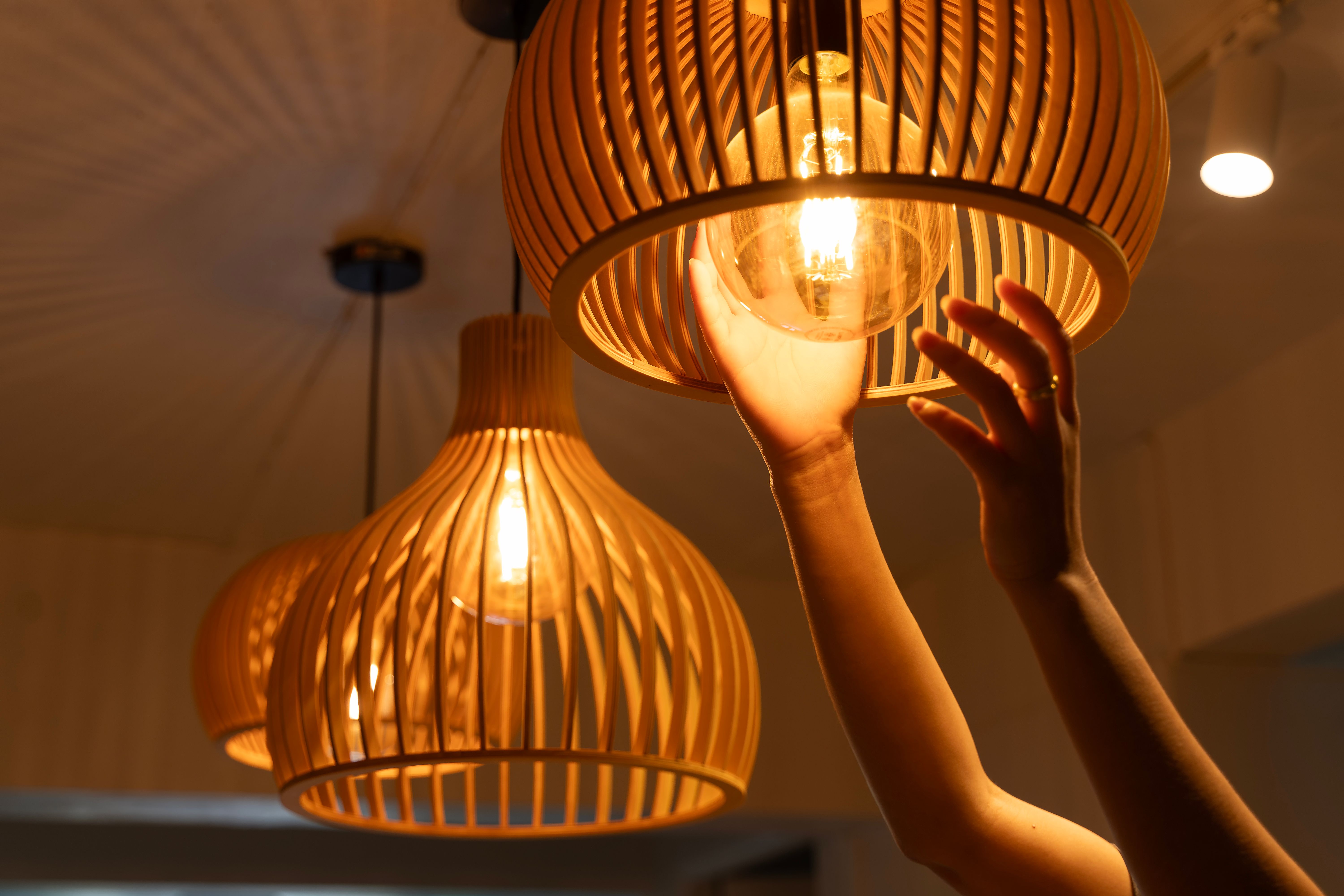
Once you understand the basics, the next step is selecting the right equipment. For DIY event lighting, consider using string lights, LED uplights, and portable spotlights. These are versatile, easy to set up, and can be adapted to suit various themes and settings.
String lights are perfect for creating a warm and inviting atmosphere, while LED uplights can add a splash of color to walls or ceilings. Portable spotlights are ideal for highlighting specific features or focal points within the venue. Remember to check the power sources available at your venue to ensure compatibility with your equipment.
Creative Lighting Techniques
To elevate your event lighting, experiment with creative techniques that can add a unique touch. One popular method is the use of gobos, which are stencils placed over lights to project patterns or images. This technique can be used to project company logos, wedding monograms, or themed designs onto walls or floors.
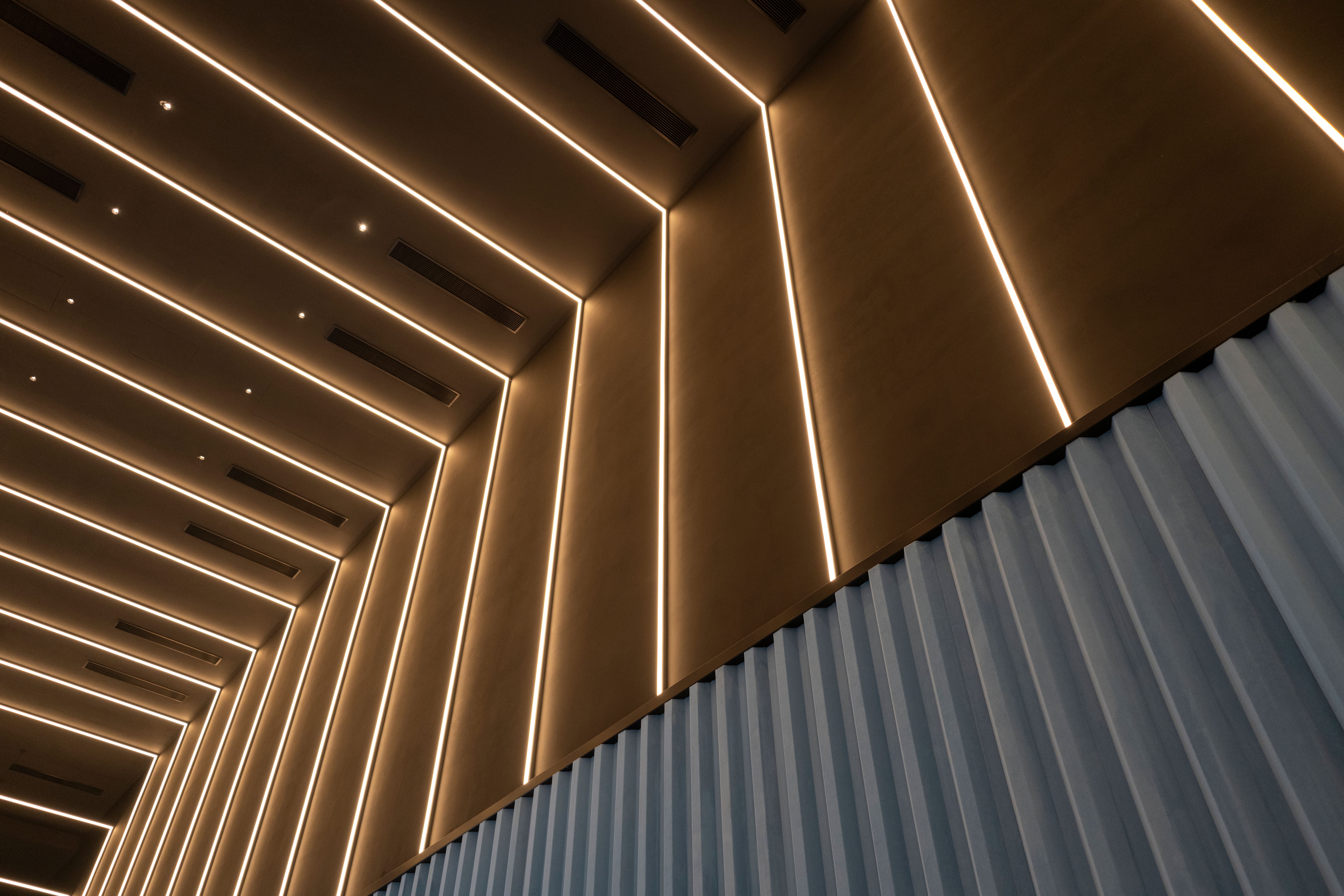
Another technique is color washing, where LED lights are used to bathe walls, ceilings, or entire rooms in vibrant colors. This can transform the space and create a cohesive look that ties in with your event's theme.

DIY Lighting Setup Tips
When setting up your lighting, start by creating a lighting plan that outlines where each type of light will be placed. Use an easy-to-follow layout to ensure you cover all areas effectively. If possible, conduct a walkthrough of the venue to visualize the lighting setup.
Use extension cords judiciously and ensure all cables are safely secured to prevent tripping hazards. Additionally, consider the timing of your lighting elements. For example, dim the lights as the evening progresses to enhance the ambiance.
Testing and Adjusting Your Lighting
Before the event, conduct a thorough test of your lighting setup. Check each light fixture to ensure it works correctly and make necessary adjustments to angles and intensities. It's also wise to have a backup plan in case of equipment failure.
Invite a friend or colleague to provide feedback during the testing phase. They may notice areas that require more light or suggest improvements you hadn't considered.
Final Touches and Enhancements
As a final touch, consider adding enhancements such as candles or lanterns to complement your lighting design. These can add a soft glow and create a cozy atmosphere. If your event is outdoors, tiki torches or solar-powered lights can add an extra layer of charm.
Remember, the key to stunning event lighting is creativity and attention to detail. With careful planning and execution, you can transform any venue into a magical setting that leaves a lasting impression on your guests.