
DIY Guide: Setting Up Professional Audio Equipment for Small Events
Understanding Your Audio Needs
Setting up professional audio equipment for small events can be a daunting task, but with the right guidance, it becomes manageable. The first step is to understand your audio requirements. Consider the size of your venue, the number of attendees, and the type of event. Are you hosting a speech, a musical performance, or a community gathering? Each event type requires different audio configurations.

Choosing the Right Equipment
Once you have a clear understanding of your needs, it's time to select the appropriate equipment. For most small events, you'll need the following:
- Microphones: Consider whether you need wired or wireless options. Wireless microphones offer more flexibility.
- Mixers: A small mixer with enough channels for your microphones and other audio sources is essential.
- Speakers: Choose speakers that provide clear sound and enough coverage for your venue.
- Cables and Accessories: Don't forget the necessary cables and stands for your setup.
Microphone Selection
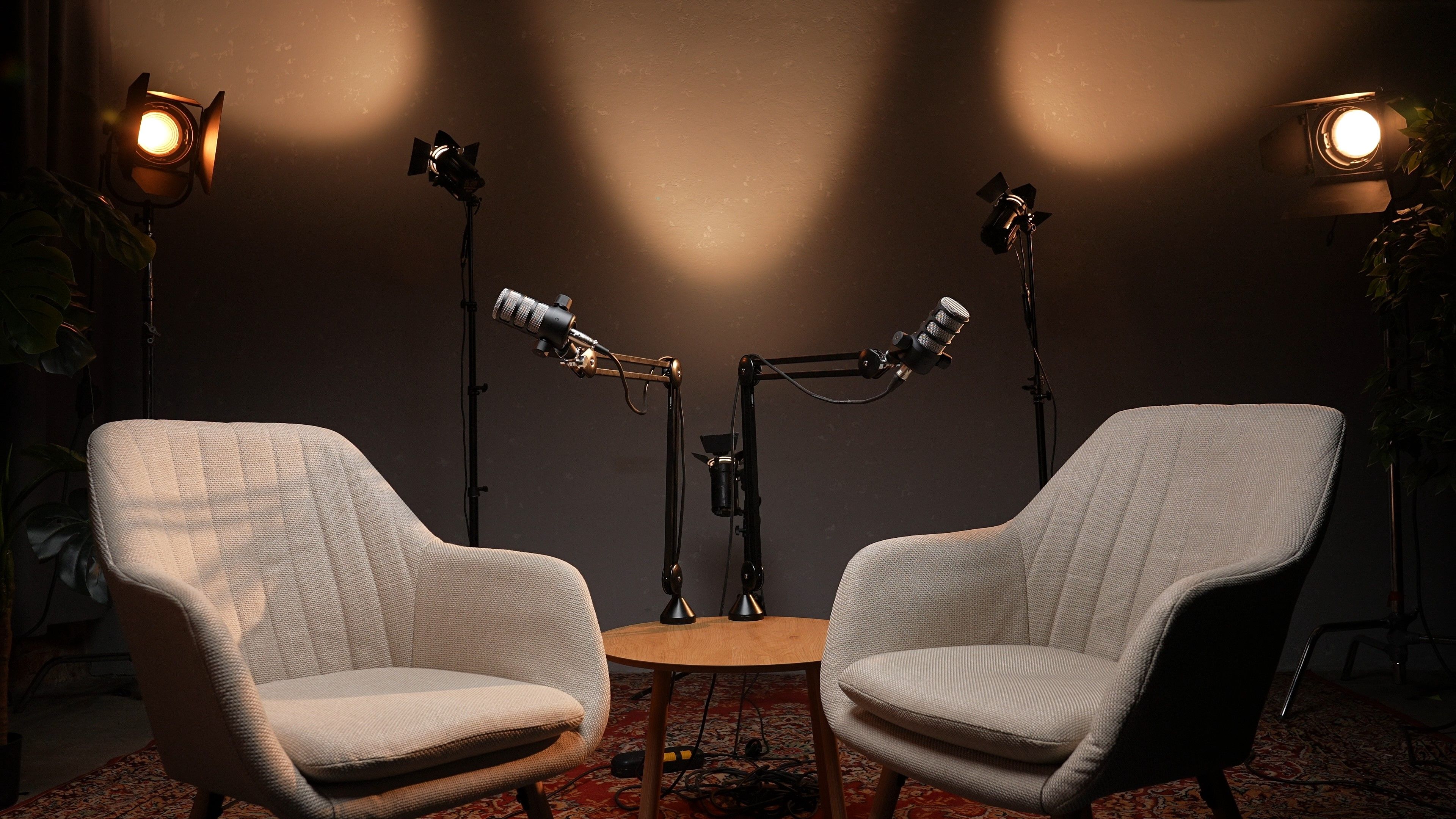
Microphones are crucial for capturing and amplifying sound. If your event involves speaking, consider using a dynamic microphone for its durability and noise-handling capabilities. For musical performances, a condenser microphone might be more suitable due to its sensitivity and range.
Setting Up Your Equipment
After selecting your equipment, the next step is the setup. Start by positioning your speakers at strategic points to ensure even sound distribution. Place your mixer in a location where it can be easily accessed for adjustments during the event.
Cable Management
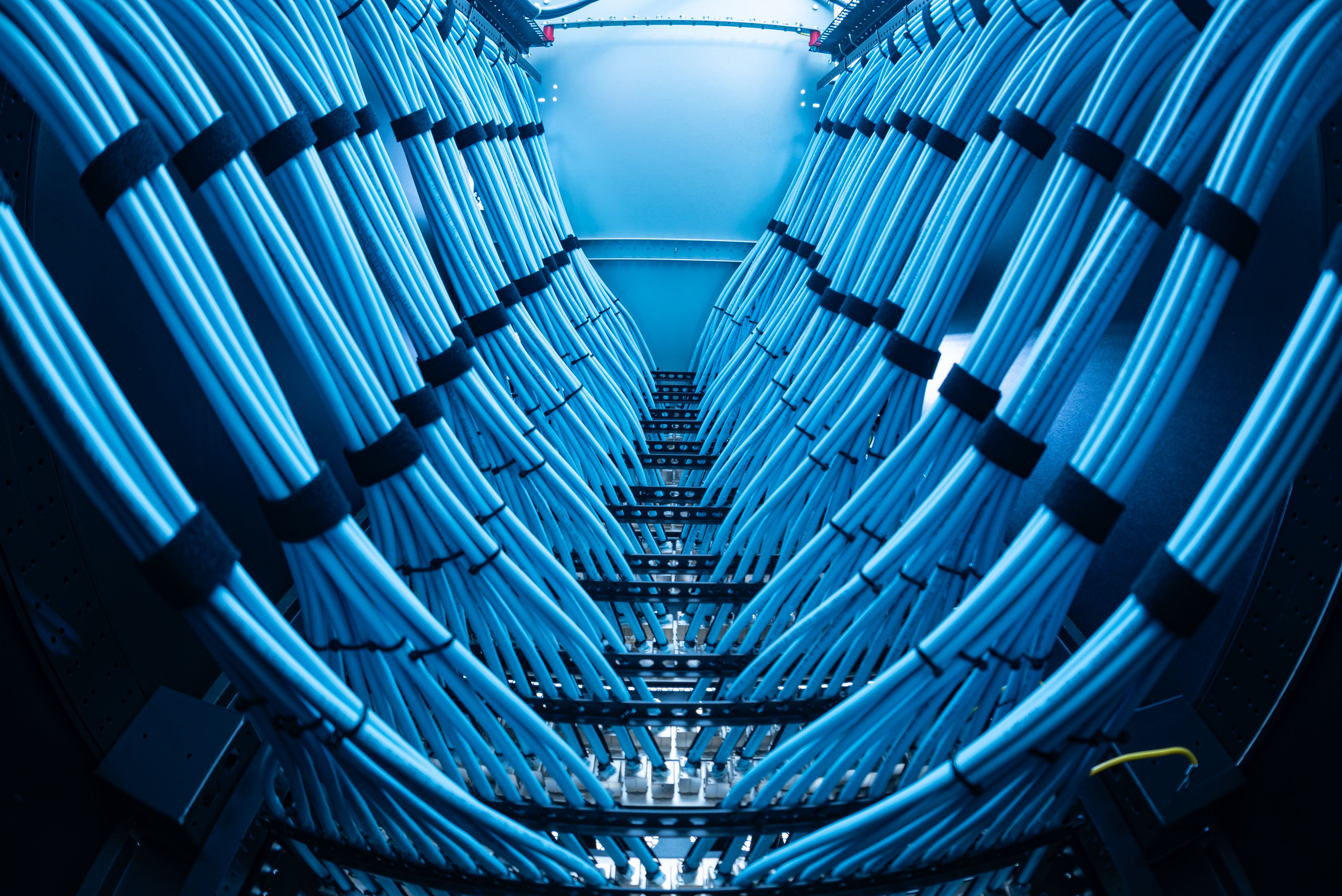
Proper cable management is crucial for preventing accidents and ensuring a clean setup. Use cable ties or covers to keep cables organized and out of the way. This not only enhances safety but also improves the overall appearance of your setup.
Testing and Troubleshooting
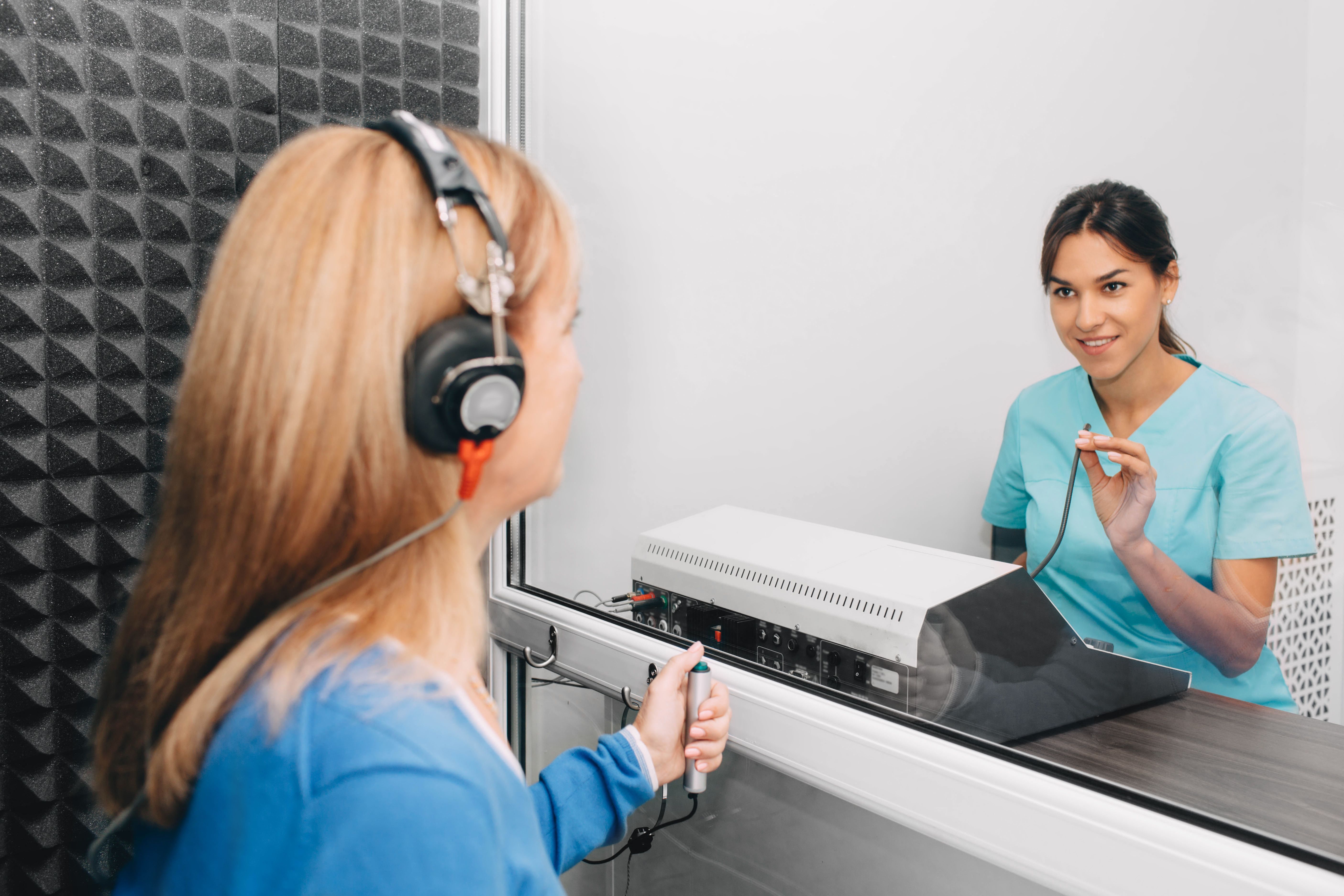
Before the event, conduct a thorough sound check. Test each microphone and speaker to ensure they're working correctly. Adjust levels on the mixer to avoid distortion and feedback. It's also wise to have backup equipment, such as extra cables or a spare microphone, in case of unforeseen issues.
Feedback Prevention
Feedback can be a common problem in live audio setups. Position microphones away from speakers and use a feedback suppressor if necessary. Regularly monitor sound levels and make adjustments to maintain audio clarity throughout the event.
Conclusion
Setting up professional audio equipment for small events requires careful planning and execution. By understanding your needs, choosing the right equipment, and conducting thorough testing, you can ensure a successful audio experience. With this DIY guide, even beginners can achieve professional-quality sound at their events.